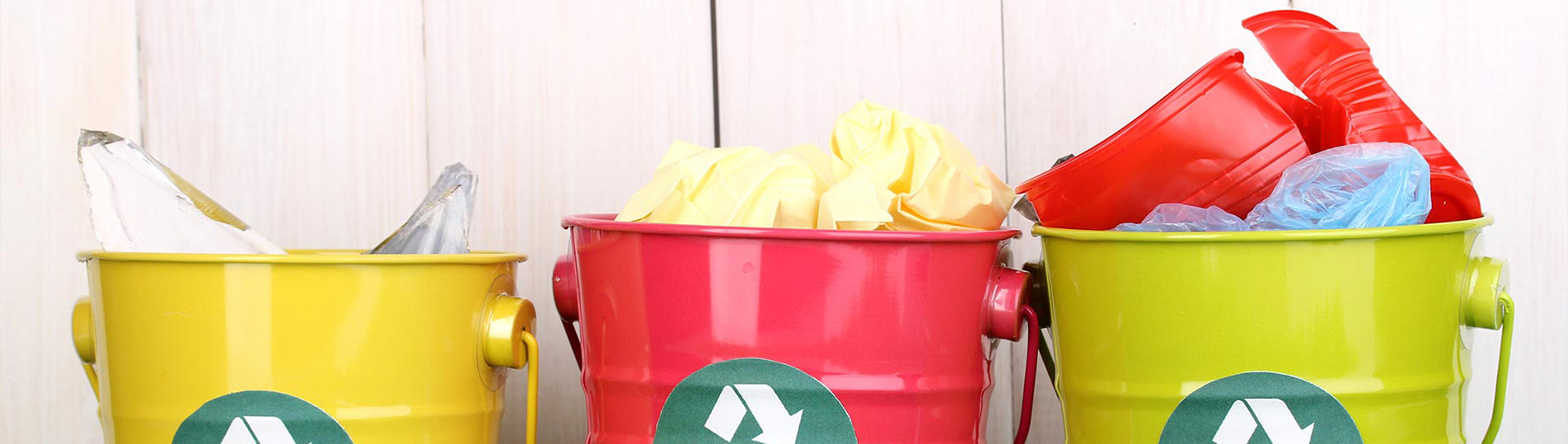
Best rubbish clearance near Lewisham Station and Glass Mill
Posted on 10/06/2026
Best rubbish clearance near Lewisham Station and Glass Mill: a practical local guide
If you are trying to clear rubbish near Lewisham Station or around Glass Mill, you probably want the same three things most people do: fast arrival, fair pricing, and no hassle. Maybe you have a flat that needs a quick tidy before a move. Maybe builders have left a mess outside. Or maybe it is just one of those weekends where the spare room has quietly turned into a storage unit. Happens to the best of us.
This guide explains how Best rubbish clearance near Lewisham Station and Glass Mill should work in practice, what to expect from a good local team, and how to choose a service that actually fits your needs. We will cover the process, the main benefits, key compliance points, and the mistakes that catch people out. If you want a broader look at service options, you can also see the full services overview and the main rubbish clearance in Lewisham page for a wider local picture.
For readers comparing options quickly, here is the short version: the best service is usually the one that turns up when promised, gives a clear quote, handles loading safely, and disposes of waste responsibly. Simple enough. Not always easy to find.
Practical summary: choose a rubbish clearance provider that is local, insured, transparent on price, and able to handle the exact type of waste you need removed, whether that is household junk, garden waste, office contents, or builders' debris.

Why Best rubbish clearance near Lewisham Station and Glass Mill Matters
Lewisham Station and Glass Mill sit in a busy, lived-in part of southeast London where people are constantly moving, renovating, working, and making spaces work better. That sounds obvious, but it matters. In a dense area like this, rubbish that lingers becomes more than a nuisance. It can block hallways, attract complaints, get in the way of tradespeople, and make a property feel smaller and less manageable than it really is.
For landlords, tenants, homeowners, and businesses, a reliable clearance service saves time and protects your day from spiralling. One pile becomes two, then somehow there is a broken wardrobe, three bags of packaging, and an old desk nobody claimed. Sound familiar? The right local team helps you deal with that before it turns into a bigger job than expected.
There is also a practical local angle. Roads near stations can be tight, parking can be awkward, and time windows matter. A service that knows the area tends to plan better around access, loading, and collection timing. That can make a real difference on a wet Tuesday morning when you are trying to get everything sorted before work or handover.
If you are new to the area, some useful local context can be found in local advice on living in Lewisham and the broader Lewisham London guide, which help explain why convenience and timing matter so much here.
How Best rubbish clearance near Lewisham Station and Glass Mill Works
Good rubbish clearance should feel straightforward. You make contact, explain what needs removing, get a quote or estimate, book a slot, and the team collects, loads, and disposes of the waste. The details matter, though, because different types of rubbish need different handling.
For example, a few bulky items from a flat clearance are very different from mixed builders' waste or damp garden waste. A good provider should ask enough questions to understand access, volume, and material type before they arrive. Not too many questions, not too few. Just enough to avoid surprises.
Typical clearance flow
- Initial enquiry: You describe the waste type, approximate quantity, and property access.
- Quote or estimate: The provider prices based on load size, labour, waste type, and any special handling.
- Arrival and assessment: The team confirms the load and checks what can be taken.
- Collection and loading: Items are moved safely, usually from inside, outside, or a mix of both.
- Sorting and disposal: Reusable and recyclable items are separated where possible, with the rest taken to an appropriate facility.
If you are dealing with a more specific job, such as a strip-out or renovation mess, the dedicated builders' waste disposal in Lewisham page is a useful next stop. It is a different beast from household clutter, and pretending otherwise usually costs time.
For softer household jobs, such as loft contents, old furniture, or inherited belongings, the process is often calmer and a bit more conversational. You point, they lift, it disappears. Very satisfying, truth be told.
Key Benefits and Practical Advantages
The best rubbish clearance service near Lewisham Station and Glass Mill should do more than simply take things away. It should reduce stress, keep the job moving, and avoid the messy chain reaction that happens when rubbish hangs around for too long.
- Speed: Local teams can often respond faster because they are already working in or around Lewisham.
- Less physical strain: Heavy lifting, awkward furniture, and awkward stairwells are handled by people used to the work.
- Cleaner space, quicker: A cleared flat, office, or garden instantly feels more usable.
- Better organisation: Clearing often reveals what is actually worth keeping, selling, donating, or recycling.
- Responsible disposal: A good service should aim to divert reusable and recyclable items from landfill where possible.
There is another benefit people forget: momentum. Once a clearance starts, other jobs become easier. Decorating, moving, deep cleaning, inventory checks, and repairs all feel less painful when the clutter is gone.
If you care about reuse and environmental responsibility, it is worth looking at recycling and sustainability. That page is helpful if you want your clearance to be efficient without being wasteful.
Who This Is For and When It Makes Sense
This kind of service is not just for big house clearances. In practice, it helps a lot of different people at different moments.
Common users include:
- Tenants moving out who need to leave a property tidy
- Homeowners clearing sheds, garages, spare rooms, or lofts
- Landlords preparing a property between lets
- Estate agents and property managers needing a quick turnaround
- Tradespeople dealing with renovation waste
- Small businesses clearing office furniture, packaging, or old stock
- Garden owners dealing with branches, soil, and seasonal cuttings
It makes sense when the waste is too much for normal bins, too bulky for a simple car trip, or too time-sensitive to tackle yourself. It also makes sense when you want a clean result without spending your whole Saturday doing several awkward runs to the tip. Let's face it, nobody dreams of that.
For bigger property-related changes in the area, you may also find the Lewisham real estate guide and property buying advice useful, especially if you are preparing a place for sale or move-in.
Step-by-Step Guidance
If you want the smoothest possible rubbish clearance near Lewisham Station and Glass Mill, a little preparation goes a long way. No need to turn it into a military operation, just enough structure to avoid delays.
- Identify the waste categories. Separate furniture, general household rubbish, garden waste, cardboard, and any items that may need special handling.
- Estimate the volume. Think in terms of bags, boxes, or items. A photo is often more useful than a guess.
- Check access. Narrow stairs, no lift, restricted parking, or gated entry all matter for timing and labour.
- Ask about the quote. Make sure you understand whether the price is based on volume, weight, labour, or a combination.
- Confirm what is included. Loading, sorting, disposal, and any extra charges should be clear before the team arrives.
- Keep valuables and documents separate. This sounds obvious, but in the middle of a big tidy, things get thrown into "go" piles very quickly.
- Be present if possible. Even a quick walk-through helps avoid confusion about what stays and what goes.
- Review the result. Once the waste is removed, check corners, cupboards, and outdoor areas before signing off.
If your job includes heavy lifting, multiple floors, or fragile items, ask about the provider's insurance and safety approach. That is not a fussy detail. It is a sensible one.
Expert Tips for Better Results
A few small choices can make the whole process noticeably better. These are the things that usually separate a decent clearance from a really good one.
- Take photos before booking: Pictures help a provider estimate load size more accurately than a vague description.
- Sort obvious recyclables: Cardboard, metal, and clean wood may be easier to separate if you group them clearly.
- Label items to keep: A sticky note on a chair or box can prevent accidental removals.
- Ask about lifting from inside: Some teams collect from the ground floor only, while others can handle stair access. Good to know early.
- Use one clear pile: If possible, gather rubbish in one area so the collection is faster and less disruptive.
- Plan around neighbours: In flats especially, a bit of courtesy goes a long way. Quiet loading and tidy exits matter.
Another tip: if you are clearing after a tenancy, renovation, or office move, do not leave the booking until the last minute. A rushed booking often means fewer options and more pressure. Nobody enjoys that sort of Friday afternoon.
If you need a tailored mix of removal types, the page on your rubbish removal needs is a sensible way to think through what kind of help is actually required.

Common Mistakes to Avoid
There are a few errors that come up again and again. Most are easy to avoid once you know what to watch for.
- Booking on price alone: The cheapest quote is not always the best value if it excludes labour, access, or disposal.
- Not clarifying waste type: Builders' waste, soil, appliances, and mixed rubbish may be treated differently.
- Forgetting access issues: Parking restrictions and narrow staircases can affect both cost and timing.
- Mixing prohibited items: Some items need special handling, so do not assume everything can go in one load.
- Leaving sorting too late: It is much easier to separate keep, donate, recycle, and remove before the team arrives.
- Ignoring terms: Cancellation rules, payment expectations, and site access conditions should be checked in advance.
Sometimes people also overthink it and stall for weeks. That happens too. The flat gets more cramped, the garden gets messier, and the task feels bigger than it is. Then one morning you just do it. Usually that works best, oddly enough.
Tools, Resources and Recommendations
You do not need a huge toolkit to prepare for rubbish clearance, but a few simple items help a lot.
| Useful item | Why it helps | Best for |
|---|---|---|
| Heavy-duty bin bags | Keeps loose waste together and easier to move | Household waste, textiles, smaller bits |
| Marker labels | Prevents confusion over keep/remove items | Shared spaces, moves, storage clear-outs |
| Phone camera | Helps with quotes and planning | All jobs, especially bulky or mixed loads |
| Gloves | Protects your hands during sorting | Gardens, lofts, garages, dusty areas |
| Cardboard boxes | Keeps smaller items grouped | Office clearances, book clear-outs, misc items |
For related services, the most useful internal resources are the house clearance service, the office clearance option, and the dedicated garden waste removal page. Each one fits a different kind of job, which is exactly how it should be.
If you are comparing providers, the pricing and quotes page is a good place to understand how estimates are usually handled. It is often the missing piece people wish they had checked first.
Law, Compliance, Standards, or Best Practice
Waste clearance in the UK is one of those services where the visible work is only half the story. The hidden part is what happens after collection. A reputable provider should deal with waste responsibly, use appropriate disposal routes, and avoid passing your rubbish on to someone unqualified or uninsured.
That is why it is sensible to ask how waste is handled, whether recyclable materials are separated, and whether the provider has a clear process for disposal. You do not need a lecture. Just a transparent answer.
From a customer point of view, the main best-practice checks are:
- the provider is clear about what they collect and what they do not collect
- pricing is explained before work begins
- staff operate safely on-site
- items are handled with care in shared buildings or tight access areas
- disposal is done through legitimate, appropriate channels
It can also help to review the company's trust pages, such as about us, terms and conditions, and payment and security. These are not just legal pages sitting in the footer; they tell you how seriously the business treats its work and customers. Small detail, big signal.
For anyone especially concerned about responsible operations, the modern slavery statement can also matter as part of wider supplier due diligence. That may sound formal, but for commercial clients it is often exactly the sort of thing that reassures procurement teams.
Options, Methods, or Comparison Table
Not every clearance job should be handled the same way. The best method depends on volume, urgency, access, and waste type. Here is a simple comparison to help you decide.
| Method | Best for | Pros | Limitations |
|---|---|---|---|
| Professional rubbish clearance | Mixed waste, bulky items, quick turnaround | Fast, convenient, labour included | May cost more than self-haul |
| Self-haul to a recycling centre | Smaller loads, flexible timing | Can be cheaper for very small jobs | Requires transport, time, lifting |
| Skip hire | Longer projects, ongoing renovation waste | Useful for projects spread over days | Needs space and permits may apply |
| Specialist waste removal | Builders' waste, garden waste, office contents | Tailored handling for specific materials | Not ideal for tiny one-off loads |
If you are dealing with one-off clutter after a move or bereavement, professional clearance is often the least stressful route. If you are running a multi-week refit, a more specialist waste plan may be better. The right answer depends on the job, not the marketing.
Case Study or Real-World Example
Imagine a two-bedroom flat near Lewisham Station after a move-out. The tenants have removed their personal belongings, but the flat still has a broken bed frame, two shelving units, boxes of packaging, a chipped table, and a pile of old kitchen bits no one wants to keep.
The first temptation is to "deal with it later". Then later becomes tomorrow, and tomorrow becomes the end of the week. Meanwhile the letting agent wants the place ready for photos, and the hallway is beginning to look like a storage cupboard with ambition.
A sensible clearance plan would be:
- Photograph the items for a quote.
- Separate anything the tenant wants to keep.
- Make sure access, parking, and timing are confirmed.
- Arrange a collection window that fits the property handover.
- Clear the load in one visit, then do a final sweep of cupboards and corners.
The result is usually a quicker turnaround and less friction between outgoing and incoming occupants. In a busy area near a station, that matters. The property feels ready again, and everyone can move on without the drama. A neat finish, basically.
Practical Checklist
Use this checklist before you book or on the day of clearance.
- Have you identified the exact type of waste?
- Do you know roughly how much needs removing?
- Have you checked for stairs, lifts, parking, or access limits?
- Are items to keep clearly separated from items to remove?
- Have you asked what is included in the price?
- Do you know whether the provider handles recycling where possible?
- Are any items likely to need specialist handling?
- Have you confirmed the collection time and contact details?
- Have you checked the terms and payment expectations?
- Is someone available to answer questions if the team needs clarification?
A quick checklist like this saves more time than people expect. Not glamorous, but useful. Very useful.
Conclusion
The best rubbish clearance near Lewisham Station and Glass Mill is the one that feels calm, clear, and genuinely local. It should fit your access, your waste type, your schedule, and your expectations without turning a simple job into a drawn-out headache.
Whether you are clearing a flat, tidying a garden, resetting an office, or dealing with builders' debris, the basics stay the same: clear communication, safe handling, fair pricing, and responsible disposal. Get those right and the whole process becomes far easier than people fear at first.
And honestly, once the clutter is gone, the space often feels different straight away. Bigger. Quieter. More usable. A bit of breathing room, which is sometimes exactly what a busy Lewisham property needs.
Get a free quote today and see how much you can save.

From a young age, Blair has cultivated a passion for order, which has now matured into a prosperous profession as a waste removal specialist. She derives satisfaction from transforming disorderly spaces into practical ones, aiding clients in conquering the burden of clutter.
 Tipper Van - Rubbish Removal and Rubbish Clearance Prices in Lewisham, SE13
 Luton Van - Rubbish Removal and Rubbish Clearance Prices in Lewisham, SE13