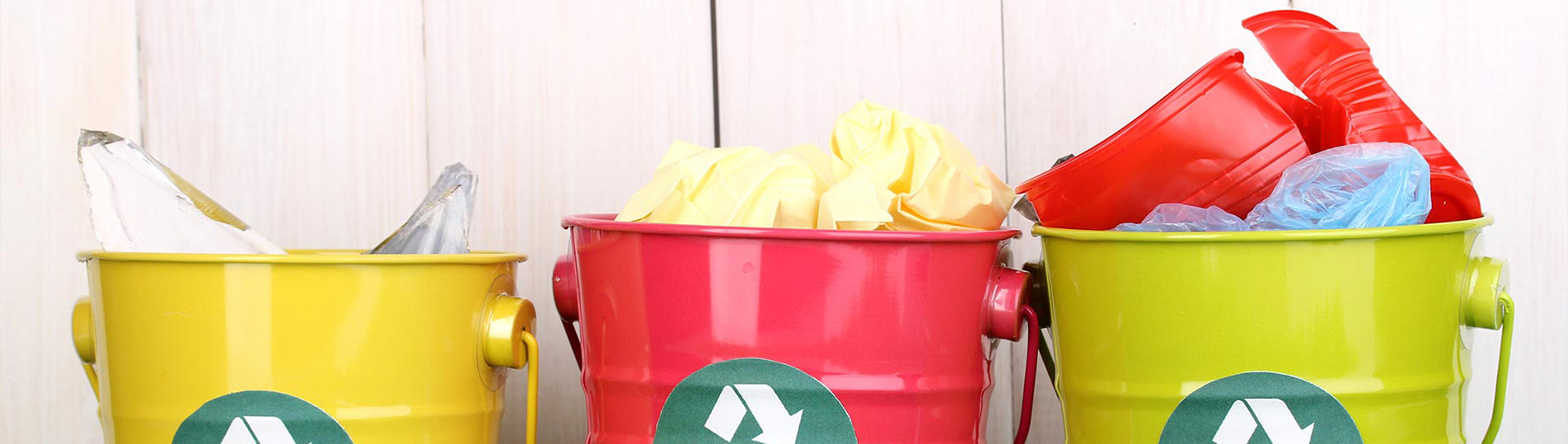
Deptford Market Yard rubbish removal tips for traders
Posted on 06/05/2026
If you trade at Deptford Market Yard, you already know the rhythm of the place: busy mornings, quick customer conversations, packaging building up faster than you expect, and that awkward moment when the bin bags start taking over the stall corner. Good rubbish removal is not glamorous, but it keeps your pitch tidy, safe, and easy to work from. These Deptford Market Yard rubbish removal tips for traders are designed to help you stay organised, reduce stress, and avoid the kind of waste problems that can derail a trading day.
Whether you run a food stall, sell clothing, work with handmade goods, or set up a small retail display, waste management affects your presentation, customer experience, and even how smoothly you pack down at the end of the day. In practice, the best system is usually simple, consistent, and realistic for a market environment. Let's make it easier.
For traders who need broader support with recurring waste, one-off clearances, or a more structured service, it can help to understand the wider options on the services overview page and the main rubbish clearance in Lewisham page before deciding what level of help makes sense.

Why Deptford Market Yard rubbish removal tips for traders Matters
Market traders work in a space where presentation matters just as much as product quality. A clean stall looks more trustworthy. A cluttered one, not so much. And rubbish tends to arrive in layers: cardboard from deliveries, food packaging, wrapping film, damaged stock, demo items, tape, broken hangers, and the inevitable odd bits that do not seem to belong anywhere.
The issue is not just appearance. Poor waste handling can create trip hazards, attract pests, and make packing down more complicated than it needs to be. If your pitch is tight, as many are, every bag left in the wrong place feels larger than it really is. Annoying? Absolutely. Avoidable? Most of the time, yes.
There is also a practical business angle. When rubbish is handled well, traders spend less time scrambling at the end of service and more time focusing on stock, customers, and sales. That matters on busy market days when one missed collection or one overfilled sack can throw the whole routine off. To be fair, it is one of those back-of-house tasks that only gets noticed when it goes wrong.
For traders with occasional larger clear-outs, such as replacing display units or clearing storage, it can also be useful to read about office clearance support and builders waste disposal, especially if your fit-out or refurbishment creates heavier material than ordinary market waste.
How Deptford Market Yard rubbish removal tips for traders Works
At trader level, rubbish removal is usually best treated as a routine rather than a one-off job. The main idea is simple: separate waste as you go, store it safely during trading hours, and remove it promptly once your day ends. That sounds obvious, but in a market setting the details matter more than the theory.
A practical system usually has four parts:
- Sorting: keeping cardboard, general waste, recyclables, and any specialist waste apart from the start.
- Containment: using sturdy bags, tubs, or lidded bins so waste does not spill or blow around.
- Timing: removing rubbish at the right point in the trading day, rather than letting it build up.
- Collection method: deciding whether you take waste away yourself, use shared facilities, or book a clearance service.
That last point is where traders often pause. Some businesses can manage their own waste with a disciplined routine and a small vehicle. Others need help when packaging spikes after deliveries, seasonal stock arrives, or a unit changes hands. If you are unsure which route fits best, a good starting point is the what you need from a rubbish removal service guide, because the right solution depends on volume, material type, access, and timing.
It also helps to think in terms of "clean as you trade" rather than "clear it all later". That small mindset shift usually makes the whole day smoother. Less clutter. Less stress. Fewer last-minute surprises. Simple, but it works.
Key Benefits and Practical Advantages
Good rubbish removal does more than keep the area neat. It affects day-to-day trading in ways that are easy to miss until you compare a well-managed stall with a chaotic one.
- Better customer impression: tidy surroundings make your stall feel more professional and cared for.
- Safer trading space: clear walkways reduce slips, trips, and awkward stack-ups behind the counter.
- Faster pack-down: if waste is already sorted, closing time becomes much less stressful.
- Less contamination: separating recyclables and food waste helps you avoid mixed bags and unnecessary mess.
- Improved storage: rubbish that leaves promptly does not consume precious back-of-stall space.
- Lower chance of complaints: neighbours, staff, and visitors tend to notice waste long before you do.
There is a quieter benefit too: better headspace. Traders often juggle stock, cash flow, weather, customer questions, delivery issues, and the odd "can you do a discount?" conversation at the worst possible time. A tidy waste system removes one more thing from the pile. That counts.
For traders who care about environmental practice, a structured routine can also support more responsible disposal. The recycling and sustainability page is a useful next read if you want to handle more material properly and reduce the amount going to general waste.
Who This Is For and When It Makes Sense
This guidance is useful for a wide range of Deptford Market Yard traders, not just one type of business. If you deal with regular packaging, stock rotation, or customer-facing displays, you will probably benefit from a more intentional rubbish routine.
It is especially relevant for:
- food and drink traders with packaging, food scraps, and cleaning waste
- clothing, accessory, and lifestyle stalls with cardboard, bags, tags, and wrap
- makers and craft sellers with offcuts, damaged stock, or material packaging
- seasonal traders who face sudden stock surges
- stalls with limited back-of-house storage
- traders who share access routes, loading areas, or common waste points
It makes sense to improve your system when one of these starts happening: rubbish is piling up before closing, bags are too heavy to move safely, recyclable material is ending up mixed in with general waste, or staff keep asking the same question about what goes where. Those are usually the warning signs. Not dramatic, just practical.
If your business sits alongside other local activity and you want a broader sense of how the area works, the local context described in Lewisham local advice on living here can give a useful feel for the neighbourhood and its everyday pace.
Step-by-Step Guidance
Here is a straightforward way to build a waste routine that actually lasts beyond the first busy week.
- List the waste you create. Write down every type of waste your stall produces over a normal trading day. Include packaging, food waste, damaged items, tape, and display materials. People often forget the small stuff, but it adds up fast.
- Separate waste at the point of use. Put a recycling tub near unpacking space, a general waste sack near the counter, and a designated container for sharp or awkward items if relevant.
- Choose containers that fit the stall. Oversized bins waste space. Tiny ones overflow. Aim for containers that are easy to carry, easy to close, and not a nuisance when the day gets busy.
- Set a mid-day check. A quick reset at lunch or halfway through service prevents that end-of-day mountain of rubbish that nobody wants to deal with.
- Keep a bagging routine. Tie off sacks before they become too full. Overpacked bags split at the worst moment, usually when you are in a rush. Of course they do.
- Decide what leaves with you. Small traders can often remove waste themselves, while others may need a clearance provider for bulkier or irregular loads.
- Book larger removals early. If you know a refit, stock refresh, or storage purge is coming, arrange collection in advance rather than after the clutter has taken over.
- Review the system monthly. If one waste stream keeps causing trouble, adjust the setup. The best system is the one your team can actually follow.
For one-off bulkier clearances, especially if stockroom clutter has become a problem, you may also want to compare house clearance-style removals and general waste removal in Lewisham to see which service type fits the job.
Expert Tips for Better Results
Once the basics are in place, the improvements tend to come from small habits. Nothing flashy. Just things that stop waste becoming a problem in the first place.
1. Label containers clearly
Simple labels reduce confusion, especially if more than one person helps set up or pack down. Use plain language rather than jargon. "Cardboard only" works better than a vague symbol no one remembers.
2. Flatten cardboard as soon as possible
Cardboard that stays in box form takes up way more room than it should. Flatten it early and stack it neatly. You will be surprised how much space that gives back.
3. Keep dry and wet waste apart
This matters a lot for food traders and mixed-use stalls. Once wet waste gets into cardboard or paper recycling, the whole lot can become less useful. A tiny bit of separation saves a bigger mess later.
4. Use a "closing routine" rather than ad hoc clearing
Traders who remove waste in the same order every day usually move faster. For example: clear food waste, flatten cardboard, bag general rubbish, then sweep the pitch. Same order, every time. It sounds boring. It is also effective.
5. Plan for weather
Rain, wind, and damp all make waste harder to manage. In wet weather, loose cardboard gets soggy, bags split more easily, and spills become more likely. Keep covers or lids handy if your setup allows it.
6. Think about access
If you rely on a clearance team, make sure loading access is realistic. Shared yards and market spaces can be awkward at peak times. A provider that understands that flow will save you time and avoid unnecessary faff.
There is also a safety angle. If your waste includes heavier items, sharp edges, or broken fittings, it is sensible to read the insurance and safety guidance before arranging removal. Better safe than sorry, as they say, and in a market that is usually the right instinct.
Common Mistakes to Avoid
The same problems come up again and again. The good news is that most of them are avoidable once you know what to look for.
- Leaving waste until the end of the day: it builds pressure and creates clutter fast.
- Mixing everything together: mixed waste is harder to move and often less efficient to handle.
- Underestimating cardboard: packaging volume can surprise even experienced traders.
- Using weak bags: a split sack can create a mess that takes twice as long to clean.
- Ignoring small sharp items: broken plastics, clips, staples, and offcuts are easy to miss and not fun to step on.
- Assuming someone else will deal with it: shared waste systems need clarity, not wishful thinking.
- Booking removals too late: if you wait until the pile is urgent, you lose flexibility and usually pay with stress, not just money.
A small aside, because it happens a lot: the "I'll just move that pile later" plan is rarely a plan. It is more of a hope. And hope, on a windy trading day, is not much use.
Tools, Resources and Recommendations
You do not need a fancy setup to manage waste well. A handful of sensible tools will usually do the job.
| Tool or resource | Best use | Why it helps |
|---|---|---|
| Heavy-duty bin bags | General waste and mixed light waste | Reduces breakages and spillages |
| Flat-pack cardboard stack | Packaging and delivery waste | Saves space and keeps loading neat |
| Lidded tubs or crates | Loose bits, tags, small offcuts | Stops items blowing away or scattering |
| Marker labels | Container identification | Makes sorting easier for every team member |
| Hand brush and dustpan | End-of-day sweep | Keeps the pitch clean and presentable |
| Collection schedule or diary note | Planning removals | Prevents waste from building up unexpectedly |
If you are comparing service providers, look beyond the headline price. Check whether they are clear about load types, timing, access constraints, and how they handle recycling. The pricing and quotes page is a sensible place to understand how quotes are usually approached, while the payment and security page is useful if you want confidence about the admin side too.
If your waste is mostly commercial and you need a broader local service, the main waste removal Lewisham page can help you judge whether regular support is a better fit than one-off collections.
Law, Compliance, Standards, or Best Practice
This area can get messy quickly, so a careful note is worth including. Market traders are generally expected to manage waste responsibly and to make sure rubbish does not create a nuisance, a health risk, or an obstruction. The exact arrangements can depend on the market, landlord, borough requirements, and the type of waste involved.
A few best-practice principles usually apply:
- Do not leave waste in shared walkways or loading areas.
- Keep hazardous or sharp material secure and separate where relevant.
- Follow any site-specific waste rules set by the market operator.
- Use a licensed and insured provider when you need commercial collection support.
- Keep clear records if your business needs them for internal compliance or tenancy arrangements.
If you generate food waste, packaging, or any materials that may need special handling, treat the rules as something to confirm rather than guess at. That is the sensible approach. For general business confidence, many traders also appreciate reading provider information such as about the team, along with the site's terms and conditions and privacy policy if they are booking online or sharing business details.
Options, Methods, or Comparison Table
Traders usually have three practical options: manage waste themselves, share a site-managed arrangement, or book a clearance provider. Each can work well in the right situation.
| Method | Best for | Pros | Limits |
|---|---|---|---|
| Self-removal | Small, predictable waste volumes | Low cost, direct control, flexible | Needs transport, time, and space |
| Site-managed collection | Markets with defined shared arrangements | Convenient, consistent, less admin | Depends on site rules and timings |
| Professional clearance service | Bulk waste, irregular loads, refits, stockroom clear-outs | Fast, scalable, less physical strain | Costs more than doing it yourself |
For many Deptford Market Yard traders, the best answer is a mix. Day-to-day waste can be handled in-house, while larger or awkward clearances are handed over to a specialist. That way you do not overpay for routine rubbish, but you also are not stuck wrestling with a mountain of packaging at closing time.
If your business sits in a wider Lewisham context and you want to understand local service expectations, the broader district perspective in this Lewisham area guide can be a useful companion read.
Case Study or Real-World Example
Picture a small trader setting up on a busy Saturday morning. By 10am, there are cardboard sleeves from deliveries, a few plastic wraps, some torn paper bags, and a couple of damaged display pieces that need to leave before the pitch gets cramped. At first, everything is tucked behind the counter in a "deal with it later" pile.
By early afternoon, the pile is in the way. A customer asks a question and there is nowhere comfortable to stand. One box gets flattened badly and starts catching the wind. The trader spends ten minutes shifting waste around instead of serving people. Not disastrous, but you can feel the drain.
Now compare that with a trader who sorts waste as they go. Cardboard is flattened as soon as stock comes out. Waste bags are tied before they get too full. A small mid-day tidy keeps the area open. At closing, the pack-down takes less effort and the stall looks ready for the next day. Same business, same stock, much easier day. No drama, just better habits.
The lesson is simple: waste routines do not need to be perfect. They just need to be predictable.
Practical Checklist
Use this as a quick end-of-day or pre-opening check.
- Have all waste types been separated correctly?
- Are cardboard boxes flattened and stacked neatly?
- Are all bags tied securely and not overfilled?
- Is any sharp, broken, or awkward waste safely contained?
- Is the stall floor clear of loose packaging and small debris?
- Do any items need to be removed before the next trading day?
- Have collection timings or vehicle access been confirmed if needed?
- Are recyclable materials kept clean and uncontaminated where possible?
- Does the waste setup still fit the amount you are producing?
- Would a one-off or recurring clearance service save time this week?
One good habit here: keep a tiny notebook or phone note of recurring waste problems. After two or three weeks, patterns show up. Then you can fix the real issue instead of guessing.
Conclusion
Deptford Market Yard rubbish removal tips for traders are really about making trade life smoother. A clean, organised waste routine helps protect your space, your time, and your customer experience. It also reduces the little bits of friction that build up over a long trading day: the bag that splits, the box that gets in the way, the pile that somehow multiplies overnight.
Start small if you need to. Sort waste at source. Flatten cardboard early. Keep a simple closing routine. Then decide whether your current setup is enough, or whether a more regular clearance arrangement would take pressure off the business. A practical system is usually the one you barely have to think about.
If you are ready to tighten up your waste routine, compare your current process with the support options available and choose the approach that fits your stall, your stock, and your trading rhythm. That little bit of order makes a bigger difference than people expect.
Get a free quote today and see how much you can save.
And if nothing else, your stall will feel calmer at 4:55pm on a chilly London evening, which is worth something too.


From a young age, Blair has cultivated a passion for order, which has now matured into a prosperous profession as a waste removal specialist. She derives satisfaction from transforming disorderly spaces into practical ones, aiding clients in conquering the burden of clutter.
 Tipper Van - Rubbish Removal and Rubbish Clearance Prices in Lewisham, SE13
 Luton Van - Rubbish Removal and Rubbish Clearance Prices in Lewisham, SE13