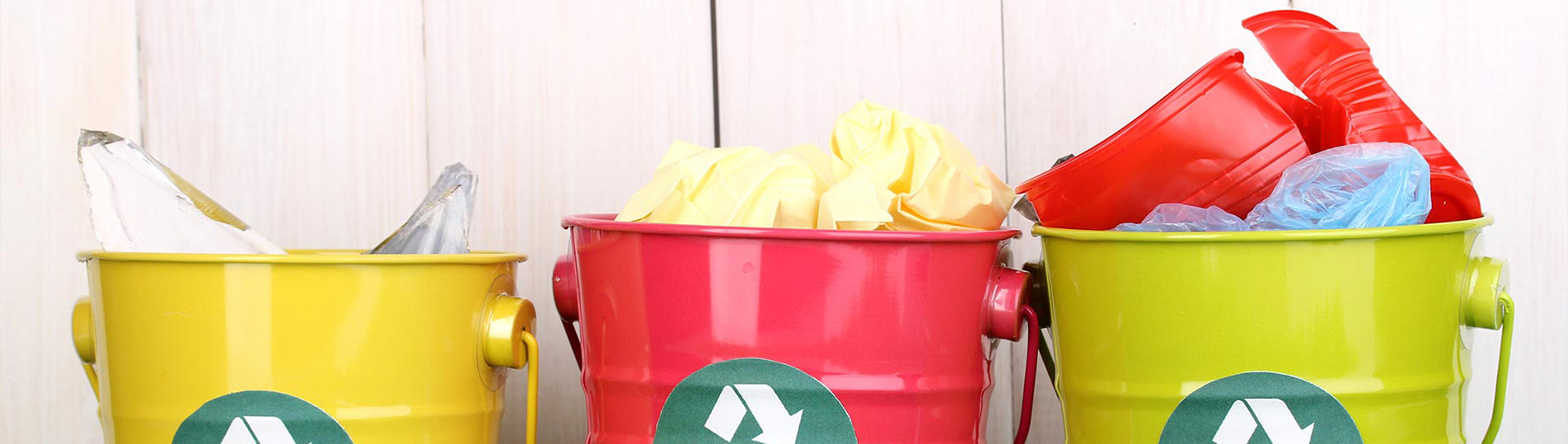
Rubbish collection guide for SE13 Lewisham High Street flats
Posted on 26/05/2026
If you live in a flat on or near Lewisham High Street in SE13, rubbish can become awkward fast. Shared entrances, tight stairwells, limited storage, bin chute rules, missed collections, and bulky items all turn a simple clear-out into a small project. This Rubbish collection guide for SE13 Lewisham High Street flats is designed to make that project easier.
Whether you are moving out, dealing with landlord requirements, clearing a student flat, or just trying to stop the recycling area from becoming a mystery zone of old boxes and broken furniture, the right approach saves time, stress, and avoidable mistakes. Below, you will find a practical, local-minded guide to planning, sorting, moving, and disposing of rubbish in a way that fits flat living in SE13.
For readers who want help beyond the basics, it can also be useful to explore the wider range of rubbish and waste services available in Lewisham or see how a tailored rubbish removal plan can match your exact needs.
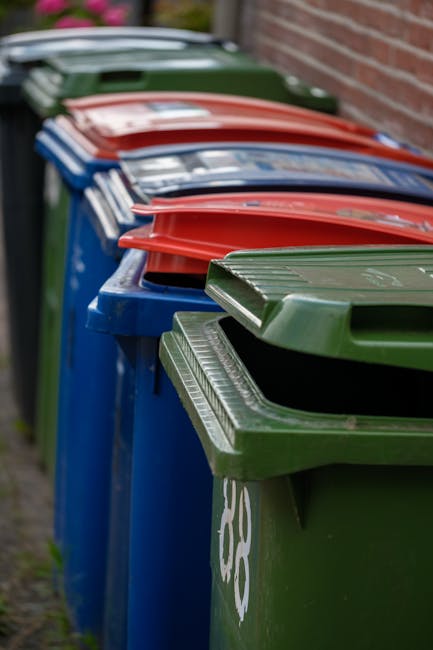
Why rubbish collection in SE13 flats matters
Flat living on Lewisham High Street has a pace of its own. People come and go, spaces are shared, and storage is usually at a premium. That means waste builds up differently from a house. A couple of bin bags left in a hallway can quickly become a fire-safety issue, a pest attraction, or a source of friction with neighbours and managing agents. Not exactly the glamorous side of city living, but very real.
Good rubbish collection is not just about getting rid of things. It protects access routes, keeps communal areas usable, and helps avoid complaints. It also matters when you are trying to leave a flat in good order, prepare for new tenants, or keep a property presentable for sale or letting. If you are comparing property move-in or move-out needs, you may also find the local perspective in the Lewisham real estate guide helpful.
There is another layer too: the waste stream itself. In apartment blocks, rubbish can include everything from everyday household waste to cardboard, old appliances, broken blinds, worn-out carpets, and renovation debris. Each of those has a different sensible route. Treating them all the same usually creates more work later.
Practical takeaway: In SE13 flats, rubbish collection works best when you plan for access, sort waste early, and choose the right disposal route for each item.
How rubbish collection for Lewisham High Street flats works
There is no single setup that applies to every building. Some flats have shared bins at the rear. Others have communal bin stores, timed access, or collection days managed by a landlord, freeholder, or managing agent. A few buildings are straightforward; others feel as though the bin area was designed as a puzzle. Either way, the process usually follows the same logic.
First, you identify what needs to go. Then you separate ordinary household waste from recycling, bulky items, electricals, and anything that may require special handling. Finally, you decide whether the waste can be placed in the building's own bins, taken to a local recycling point, or removed by a professional service.
For larger clearances, especially when you have heavy furniture or mixed waste, professional help may be the most efficient option. The team page on rubbish clearance in Lewisham is a useful starting point if you want a service built around collection, loading, and responsible disposal. If the job involves renovation debris, the dedicated builders waste disposal service in Lewisham is the more suitable route.
In practice, flat-based rubbish collection usually falls into one of these patterns:
- Routine household waste: bagged and placed in communal bins on the correct day.
- Recycling: separated cardboard, paper, plastics, glass, and metals where facilities allow.
- Bulky items: collected separately or removed by a clearance team.
- Special waste: items such as batteries, electricals, paint, or sharp materials handled with extra care.
If you are unsure how a wider rubbish collection or waste removal job should be handled, waste removal in Lewisham is worth reviewing because it helps clarify the difference between simple collection and full-service disposal.
Key benefits and practical advantages
Handling rubbish properly in a SE13 flat is not just a matter of tidiness. Done well, it reduces friction and gives you back usable space. That sounds obvious, yet in flat living the impact is surprisingly large.
Here is what good collection and disposal usually improve:
- Space: fewer bags and items cluttering hallways, cupboards, balconies, and box rooms.
- Safety: cleaner access routes and fewer trip hazards in shared areas.
- Neighbours: less chance of complaints about odour, pests, or blocked bin access.
- Speed: faster move-outs, faster tenant changeovers, and smoother refurbishments.
- Compliance: better alignment with building rules and responsible disposal expectations.
- Peace of mind: no lingering pile of "things to deal with later," which somehow never gets smaller on its own.
There is also a sustainability benefit. Sorting items correctly makes recycling more realistic and reduces avoidable landfill use. If that matters to you, it is worth reading more about the company's approach to recycling and sustainability. For many residents, that makes the decision feel better as well as cleaner.
Another overlooked benefit is time. In a flat, every trip downstairs with bin bags takes longer than people expect, especially if lifts are busy or unavailable. A planned collection avoids that slow, repetitive back-and-forth.
Who this is for and when it makes sense
This guide is useful for a wide range of people living or working around SE13 Lewisham High Street flats. If you recognise yourself in any of the examples below, the advice will likely save you effort.
- Tenants moving out: you need the flat and communal areas cleared quickly and neatly.
- Landlords and agents: you want the property ready for inspection, cleaning, or new occupancy.
- Homeowners in apartment blocks: you may be dealing with accumulated clutter, old furniture, or a post-renovation tidy-up.
- Students and sharers: several people sharing one flat often means rubbish appears faster than anyone admits to generating it.
- People ordering bulky purchases: new sofa in, old sofa out, with nowhere to hide the packaging.
- Anyone planning a clear-out: from loft cupboards to under-bed storage, flats have a way of collecting forgotten items.
It also makes sense after life events such as bereavement, separation, downsizing, or a long period of accumulated clutter. In those situations, the practical side matters as much as the emotional one. A careful, respectful clearance can make the next step much easier.
If the property is part of a larger home move or sale, the local guidance in buying property wisely in Lewisham and the broader local advice on living here can help frame your expectations about day-to-day living in the area.
Step-by-step guidance
If you want a straightforward way to handle rubbish collection in a SE13 flat, use this sequence. It keeps the task controlled rather than chaotic.
- Survey everything that needs to go. Walk room by room and note what is waste, what can be recycled, and what might be donated or sold.
- Check the building rules. Look at bin day schedules, bin store access, lift restrictions, loading bay arrangements, and any instructions from the managing agent.
- Separate the waste. Group general rubbish, cardboard, mixed recycling, electrical items, and bulky goods. The earlier you sort, the easier the removal becomes.
- Break down large items where safe. Flat-pack furniture, dismantled shelving, and folded cardboard take less space and are easier to move.
- Bag and label smartly. Use sturdy bags, tape sharp edges, and keep heavier items in smaller loads if you need to carry them through shared areas.
- Plan the exit route. Decide how items will get out of the flat without blocking hallways, neighbours' doors, or the lift.
- Choose the disposal method. Use communal bins for permitted household waste, recycling facilities where appropriate, or a clearance service for bulky or mixed loads.
- Do a final sweep. Check cupboards, balcony corners, under sinks, and behind doors before you finish. Small leftovers are the classic reason a clear-out feels unfinished.
For larger or more complicated jobs, especially if you want collection, loading, and disposal handled in one go, a professional service is often simpler. You can compare practical options through the pricing and quotes page once you know what type of waste you have.
Expert tips for better results
Experienced flat clearances tend to go smoothly for one reason: the person planning them thinks two steps ahead. That does not mean overcomplicating things. It means noticing the small details that cause delay.
Useful habits that make a real difference:
- Time the job around collection days. If your building bins are emptied on a certain day, avoid piling waste up beforehand unless you are sure there is room.
- Keep communal areas clear. Even a short-term pile-up can create complaints or block access for neighbours.
- Use stronger bags than you think you need. Thin bags are a false economy when you are carrying them downstairs.
- Protect lifts and walls. Cardboard edging, careful lifting, and smaller loads reduce accidental damage.
- Separate electrical items early. It is much easier to handle a kettle, lamp, or monitor when it is not buried under mixed rubbish.
- Ask about access before the day arrives. A locked gate, keypad entry, or narrow service corridor can matter more than people expect.
One practical observation from flat clear-outs: people often underestimate packaging waste. Flat-screen boxes, mattress wrapping, and delivery cartons can fill a room faster than the actual furniture did. That is usually the point when a good plan stops being optional.
If you are dealing with access concerns, loading risks, or fragile surfaces, it is sensible to review the company's insurance and safety guidance. A careful clearance is not only cleaner; it is less stressful.
Common mistakes to avoid
Most rubbish collection problems in flats come from a handful of avoidable errors. The good news is that they are easy to spot once you know what to look for.
- Leaving waste in the hallway "just for now" and forgetting that shared spaces are part of the building, not a temporary storage bay.
- Mixing everything together so that recyclable material ends up in general waste and bulky items become harder to move.
- Ignoring building rules about bin stores, collection times, or item placement.
- Underestimating weight and trying to move heavy loads in one trip.
- Forgetting special waste such as batteries, electronics, or paint.
- Leaving the job half-finished because one cupboard or balcony was overlooked.
- Choosing the wrong service type for the amount and kind of waste involved.
There is also a social mistake that matters in flats: assuming the bin area is everyone's problem except yours. In reality, one careless stack of rubbish can affect several households. The easiest way to avoid tension is to treat collection as a shared-space responsibility, even if the waste came from your own flat.
Tools, resources and recommendations
You do not need a van and a warehouse to manage flat rubbish well. A few simple tools usually do the job, especially when combined with sensible planning.
| Tool or resource | Best use | Why it helps |
|---|---|---|
| Heavy-duty bin bags | General household waste | Less likely to split during stair carries |
| Strong packing tape | Securing cardboard and light dismantled items | Keeps bundles tidy and easier to move |
| Gloves | Sorting and lifting mixed waste | Helps protect hands from sharp edges and grime |
| Marker pen | Labelling bags or grouped items | Makes sorting faster and more accurate |
| Measuring tape | Checking whether bulky items fit through doors or lifts | Prevents avoidable mid-job surprises |
| Professional clearance service | Bulky, mixed, or urgent rubbish removal | Reduces labour, hassle, and loading problems |
For readers wanting a reliable overview of service choices, the about us page gives helpful context on the company's approach, while the payment and security information is worth checking before booking any service online.
If your clear-out overlaps with a larger property project, the house clearance service may also be useful where flats contain a full household's worth of items rather than just day-to-day rubbish.
Law, compliance and best practice
Waste handling in the UK is not something to treat casually. For flat residents, the main point is simple: dispose of rubbish responsibly, follow your building's rules, and make sure anything collected on your behalf goes to a legitimate route.
Good practice usually means the following:
- Do not leave waste where it blocks access or creates hazards in communal areas.
- Separate waste where practical, especially recyclables and electrical items.
- Use appropriate routes for bulky items rather than informal dumping or overfilled bins.
- Keep records or confirmations where a service provider offers them, especially for larger clearances.
- Choose companies that communicate clearly about collection, loading, and disposal.
For a service business, trust matters too. Clear terms, secure payment handling, and straightforward booking information are all sensible signs of professionalism. If you want to review those points, the site's terms and conditions and privacy policy are useful reference pages.
It is also reasonable to expect providers to be open about environmental intent and disposal standards. No one wants their old wardrobe mysteriously becoming someone else's problem in a lay-by. Responsible handling is part of the service, not an optional extra.
Options, methods and comparison
Different situations call for different collection methods. A single bin bag and a sofa do not need the same approach, and a one-bedroom flat is not the same as a full refurbishment. The comparison below should help you choose.
| Method | Best for | Pros | Limitations |
|---|---|---|---|
| Communal bins | Routine household waste | Simple, familiar, usually cheapest | Limited capacity, timing constraints, not suitable for bulky items |
| Recycling drop-off | Sorted recyclable items | Supports better material recovery | Requires sorting and transport |
| Self-clearance with a vehicle | Smaller clear-outs if you have access to transport | Flexible and direct | Time-consuming and physically demanding |
| Professional rubbish collection | Bulky, mixed, or urgent waste | Fast, convenient, often best for flats with access challenges | Higher cost than doing it yourself |
| Specialist clearance service | Households, renovations, or large-volume waste | Can handle complex loads and heavy items | May be more than you need for a very small job |
For many SE13 flats, the best choice is a hybrid one: use the building bins for ordinary waste, recycle what can be separated cleanly, and bring in professional help for the awkward remainder. That mix keeps costs sensible without turning the job into a weekend-long ordeal.
Case study or real-world example
Consider a typical two-bedroom flat near Lewisham High Street. The residents are moving out at short notice. They have two wardrobes, a broken desk, several bags of mixed rubbish, flattened cardboard from furniture deliveries, a vacuum cleaner that has seen better days, and a few leftover household items in cupboards.
If they try to handle everything through the communal bins, the result is predictable: some items do not fit, the bin store becomes cluttered, and the move-out timetable slips. Instead, a practical approach would look like this:
- Cardboard is flattened and separated first.
- Reusable items are set aside for donation or resale.
- Household waste is bagged and kept ready for the correct collection point.
- The desk and wardrobes are dismantled where possible.
- The remaining bulky and mixed items are removed through a booked clearance.
The result is not just a tidier flat. It is a calmer exit day, less stress in the stairwell, and a lower risk of leaving behind hidden waste. That is the kind of situation where professional clearance often pays for itself in saved time and reduced hassle.
For related context on how local spaces and routines shape daily life in the area, you may also enjoy this look at Lewisham's local character. It is a reminder that practical living and local identity often go hand in hand.
Practical checklist
Use this checklist before collection day or before booking a clearance service. It is intentionally simple, because in real life simplicity wins.
- Identify what must be removed.
- Separate general waste, recycling, bulky items, and special items.
- Check bin access, lift use, and building rules.
- Measure large items if doorways or stairwells are tight.
- Flatten cardboard and dismantle safe items where possible.
- Use strong bags and secure loose edges.
- Keep communal areas free of obstructions.
- Confirm whether you need a routine collection, a clearance, or a specialist service.
- Review pricing and payment details before booking.
- Do a final sweep of storage spaces, balconies, and cupboard corners.
Expert summary: The easiest flat rubbish jobs are the ones planned around access, sorting, and timing. The hardest ones are the ones left until the last hour.
Conclusion
Rubbish collection in SE13 Lewisham High Street flats is manageable when you treat it as a small logistics job rather than a last-minute chore. Start by sorting properly, respect shared spaces, choose the right removal route for each item, and pay attention to access. Those basics prevent most problems before they start.
For everyday waste, your building's bins and recycling arrangements may be enough. For bulky, mixed, or time-sensitive clear-outs, professional support is often the cleaner, safer option. If you are comparing services or trying to plan the simplest next move, it helps to look at the broader service overview, then match it to your specific situation.
And if you want a straightforward next step, start with a quote and a quick assessment of what needs to go. That one decision usually turns a stressful clear-out into a manageable job.
Get a free quote today and see how much you can save.

From a young age, Blair has cultivated a passion for order, which has now matured into a prosperous profession as a waste removal specialist. She derives satisfaction from transforming disorderly spaces into practical ones, aiding clients in conquering the burden of clutter.
 Tipper Van - Rubbish Removal and Rubbish Clearance Prices in Lewisham, SE13
 Luton Van - Rubbish Removal and Rubbish Clearance Prices in Lewisham, SE13