What to know about bulky waste pickup delays in Lewisham
Posted on 02/06/2026
If you are waiting on a bulky waste collection in Lewisham and the piles of old furniture, broken appliances, or renovation leftovers are starting to take over the hallway, you are not alone. Delays happen for a mix of ordinary reasons: demand spikes, missed bookings, access issues, and sometimes simple scheduling pressure. The tricky part is that the delay itself is only half the problem. The other half is knowing what to do next without making the situation worse.
This guide explains what to know about bulky waste pickup delays in Lewisham in plain English. We will look at why delays happen, what they usually mean in practice, how to reduce the chance of one, and what sensible backup options look like when you need the space cleared sooner rather than later. There is also a checklist, a comparison table, and a few practical examples from everyday Lewisham life. Let's make it useful, not just tidy on paper.
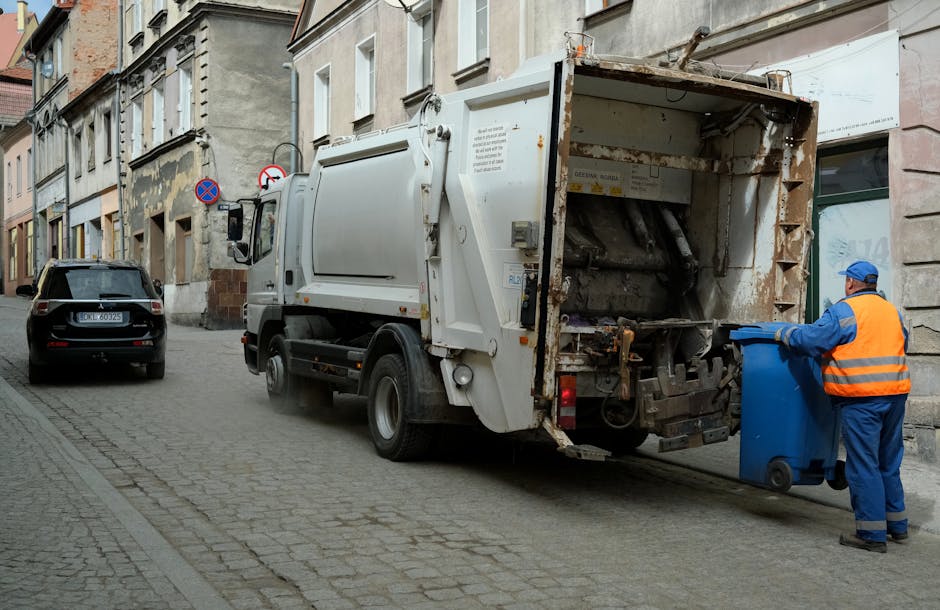
Why bulky waste pickup delays in Lewisham matter
At first glance, a delayed bulky waste collection sounds like a nuisance. Fair enough. But in a home, flat, office, or rental property, a delay can quickly turn into a practical problem. A sofa in the front room blocks access. A mattress in a shared hallway becomes awkward. A stack of broken cupboard doors in the garden starts to feel like a permanent feature.
In Lewisham, delays matter because space is precious. Many homes are compact, access routes can be tight, and shared entrances do not leave much room for error. If you are moving house, clearing a property after a tenancy, or making space for new furniture, timing becomes part of the job. A late collection can also affect neighbours if items are left in communal areas. And yes, that is usually when everyone starts noticing it.
There is another side to it too. Delays can tempt people to put items out too early, leave them in the wrong place, or try to pass them on in a hurry without checking whether they can actually be collected. That can create extra stress, extra mess, and sometimes extra costs. Knowing the delay patterns helps you plan better, which is half the battle.
For readers who need a broader picture of local waste support, the services overview and waste removal in Lewisham pages are useful starting points for understanding what types of collection can be arranged when council timing is not ideal.
How bulky waste pickup delays in Lewisham work
Bulky waste collection is usually booked in advance. The exact process can vary depending on who is handling the collection, but the general pattern is predictable: you request a pickup, provide item details, choose an available slot, and prepare the waste for collection. Delays can happen before the appointment, on the day, or when access problems stop the crew from completing the job.
A delay does not always mean cancellation. Sometimes it is as simple as a schedule shift, especially during busy periods or after weather disruptions. Sometimes it means the crew could not safely access the items. Sometimes the booking was made with incomplete information, and the collection team needs clarification. Truth be told, the issue is often something small that snowballs.
Here is the key thing: bulky waste is not the same as general rubbish. It includes large household items that are awkward to move and may require two-person handling or special loading. Think wardrobes, desks, bed frames, chairs, washing machines, and similar items. Garden and building waste usually follow different handling arrangements, which is why it helps to know exactly what you have before you book.
If your clearance includes mixed waste, you may want to look at more specific options such as house clearance in Lewisham, office clearance services, or builders waste disposal in Lewisham rather than assuming a standard bulky pickup will cover everything.
Typical reasons delays happen
- High seasonal demand, especially around moving periods and school holidays
- Incomplete item descriptions during booking
- Access problems such as locked gates, narrow stairwells, or parking restrictions
- Weather disruptions that slow routes or loading
- Missed preparation, like leaving items inside rather than at the agreed collection point
- Mixed waste that was not included in the original booking
What a delay usually looks like in practice
Sometimes you get a rescheduled date. Sometimes you are asked to confirm the contents. Other times the crew arrives but cannot remove items because they are not safely accessible. It is a bit annoying, yes, but not mysterious. The main rule is simple: keep communication clear and do not assume the crew will improvise around a problem that was not in the booking.
Key benefits and practical advantages
Knowing how delays work gives you more than peace of mind. It gives you leverage. You can plan better, avoid repeat waiting, and make smarter choices about how to clear space quickly if the appointment slips.
One benefit is timing control. When you understand where collections tend to stall, you can prepare the waste properly and reduce the chance of a last-minute problem. That means less time chasing updates and more time getting on with actual life, which is nice for a change.
Another advantage is cost control. If a pickup is delayed because the booking was vague, items were not ready, or the access point was wrong, you may end up needing another visit. A little extra care upfront often saves money later. For readers comparing prices and wanting to avoid surprises, the guide on avoiding hidden charges in rubbish removal quotes is a smart companion read.
There is also a sustainability angle. A well-planned collection gives the operator a better chance to sort, reuse, or recycle suitable items. That matters if you want to keep usable furniture out of the skip-style "just get rid of it" mindset. The page on recycling and sustainability fits well here.
Expert summary: The fastest way to deal with bulky waste delays is not to panic, but to tighten the booking details, confirm access, and have a backup plan ready. Most delays become manageable once the job is specified properly.
Who this is for and when it makes sense
This topic matters to a surprisingly wide group of people. Homeowners, tenants, landlords, letting agents, office managers, shop owners, and tradespeople all hit bulky waste delays at some point. In Lewisham, that can mean anything from clearing a two-bedroom flat in Catford to removing an old reception desk from a small office near the centre. Different setting, same headache.
You will especially want this information if:
- You are moving out and need items gone before handover
- You have ordered replacement furniture and need to clear room for it
- You manage a rental property and need to reset the space between tenancies
- You are clearing after a bereavement and need things handled with care
- You are a trader or small business owner with bulky stock or fixtures to remove
- You have garden waste or renovation debris mixed into the load
For local context and practical living advice, Lewisham local advice on living here is a useful read, while the Lewisham real estate guide can help if your waste clearance is tied to a sale, let, or move.
And if you are a trader with awkward stock, packaging, or old fittings hanging around after a busy market day, the post on Deptford Market Yard rubbish removal tips for traders may feel very familiar.
Step-by-step guidance
If you want to reduce bulky waste pickup delays in Lewisham, the best approach is structured and simple. No drama. Just a clean process.
- List every item clearly. Write down what needs removing. Count pieces if needed. A "wardrobe" is useful, but "double wardrobe with mirror and broken hinge" is much better.
- Check what type of waste it is. Furniture, appliances, garden debris, builders waste, and office items may need different handling. Mixing them up is a common reason for delay.
- Confirm access in advance. Think about stairs, lifts, parking, narrow alleys, gates, and whether the crew can get close to the collection point.
- Prepare the items properly. Empty cupboards, disconnect appliances safely, and keep everything together unless you have been told otherwise.
- Choose the right service. For bigger or more varied clearances, a specialist option may be more efficient than waiting on a standard bulky pickup.
- Keep the collection area clear. On the day, make sure the route from the property to the vehicle is open and safe.
- Confirm the booking details. Double-check date, time window, collection point, contact name, and item list. This sounds obvious. It still gets missed all the time.
- Have a fallback. If the pickup is delayed, know what you will do next: hold items in a safe spot, move them to another room, or book an alternative collection.
A practical example: if you are clearing a living room in Forest Hill after new sofas have been delivered, the old sofa and armchair need to be ready before the appointment. If they are still blocked behind the new furniture on the morning of collection, the team may lose time or reschedule. Small thing, big consequence.
Expert tips for better results
Here is where a little local know-how pays off. Bulky waste collection is much smoother when the job is prepared like a proper job, not a vague intention floating in the air.
Tip one: book earlier than you think you need to. Delays are easier to absorb if you have a buffer. If you are moving or renovating, schedule the collection before the deadline starts breathing down your neck.
Tip two: photograph awkward items. This can help if there is any doubt about size, access, or condition. It is not glamorous, but it saves time. A quick phone picture is often enough.
Tip three: separate reusable items from genuine waste. If something is still in decent condition, keep it aside for donation, resale, or reuse where possible. That can reduce the load and sometimes simplify the collection.
Tip four: ask about loading access, not just the item list. The path from the door to the vehicle matters. In a lot of Lewisham streets, parking can be the real bottleneck, not the waste itself.
Tip five: use the right clearance route for the job. A one-off collection for a broken bed frame is one thing. A full flat clearance after a move is another. If you need a fuller service, rubbish clearance in Lewisham may be more appropriate than a single-item pickup.
To be fair, the best tip is often the simplest one: make the collection easy to complete. The fewer questions the crew has to ask, the less likely a delay becomes.

Common mistakes to avoid
Most delays are avoidable, or at least reducible, when people steer clear of a few classic mistakes. And yes, these are the ones that crop up again and again.
- Leaving items inside the property without telling anyone. A bulky waste collection is not always a full indoor removal. If items need to come from inside, confirm that first.
- Underestimating access issues. A wide wardrobe may not fit through a narrow stairwell. That is not bad luck; it is a measurement problem.
- Mixing waste types blindly. Garden waste, builders waste, appliances, and furniture may need different handling.
- Forgetting to disconnect appliances. Washing machines and similar items often need to be made ready before collection.
- Putting the booking off until the last minute. You can get away with this once or twice. Then the schedule bites back.
- Assuming one collection covers everything. Sometimes it does. Sometimes it really does not.
A small but common one: people forget to mention the basement or the top-floor flat. That tiny omission can make the whole appointment awkward. The team arrives, the item is there, but the route is not what they expected. Delay follows. Then everyone is annoyed and the kettle gets put on a few times.
If you are arranging a larger clean-up, especially after decorating or structural work, it is worth looking at builders waste disposal in Lewisham rather than forcing the waste into a standard bulky pickup slot.
Tools, resources and recommendations
You do not need fancy software to handle bulky waste delays, but a few practical tools help enormously.
- Phone camera: take clear photos of the items and access route
- Notes app: keep a list of items, measurements, and booking details together
- Tape measure: handy for doors, stair turns, and large furniture dimensions
- Checklist on paper: old school, but effective when you are moving around the property
- Payment confirmation: save records in case you need to check terms or timing later
For readers comparing different forms of support, your rubbish removal needs is a helpful place to think through the scale of the job before booking. If you are weighing value against speed, the guide on pricing and quotes is also worth reading. And if you want reassurance about handling, booking, or service standards, the insurance and safety page helps explain the care side of things in plain language.
Sometimes the best resource is simply a clean, realistic plan. Not glamorous, but it works.
Law, compliance, standards, or best practice
Bulky waste and general waste handling in the UK is not something to treat casually. You do not need to memorise legal wording to act responsibly, but you do need to know the basics. Waste should be collected, transported, and disposed of by people who are allowed to do the job, and you should be careful about who takes it away and what happens next.
For households, the main practical point is simple: do not hand waste to anyone who cannot explain where it will go or how it will be handled. If you are a landlord, business owner, or managing agent, the duty of care becomes even more important because the volume and variety of waste can rise quickly.
Best practice usually means:
- Being honest about waste type and quantity
- Separating recyclable or reusable items where possible
- Avoiding fly-tipping risk by using proper collection routes
- Keeping records for commercial clearances where needed
- Making sure access and collection arrangements are safe for everyone involved
If you are dealing with office contents, document disposal, or business clear-outs, the right route may be more specialised than a one-off domestic pickup. The office clearance service page is relevant for those cases, and if ethics and responsible disposal matter to your organisation, the modern slavery statement can help reassure you about the wider values behind the service. That kind of trust detail matters more than people sometimes admit.
Options, methods, or comparison table
When bulky waste pickup is delayed, the question becomes: what now? Below is a straightforward comparison of common options. The right choice depends on urgency, waste type, and how much you can prepare in advance.
| Option | Best for | Pros | Watch out for |
|---|---|---|---|
| Wait for the delayed pickup | Non-urgent waste and flexible schedules | No need to rearrange anything; simple if the delay is short | Can disrupt moves, handovers, or renovations if the delay drags on |
| Reschedule with clearer details | Bookings with access or item-description issues | Often fixes the root cause; reduces repeat problems | May still leave you waiting if availability is tight |
| Use a fuller rubbish clearance service | Mixed loads, multiple items, or time-sensitive clear-outs | More flexible for varied waste and awkward jobs | Needs clearer scope and may not suit one small item |
| Separate reusable items first | Loads with some salvageable furniture or equipment | Can reduce waste volume and improve sustainability | Takes extra time and a bit of sorting effort |
| Book specialist disposal for builders or garden waste | Renovation or outdoor clearances | Better fit for the material type; fewer surprises | Not ideal if your waste is mainly domestic furniture |
In many cases, the smartest move is not to chase the fastest option, but the best-fitting one. That is especially true if you are trying to clear space quickly without creating a second problem behind the first.
Case study or real-world example
A common Lewisham scenario goes like this. A tenant is moving out of a flat and needs a bed frame, mattress, wardrobe, and a broken desk gone before the final inspection. They book a bulky waste collection, but the access note only says "front door." On the day, the vehicle cannot get close enough because parking is tighter than expected, and the items are still partly assembled in the bedroom. Collection is delayed.
What changed the outcome was not luck. It was the second attempt being better prepared. The tenant took photos, measured the wardrobe, disconnected the desk shelving, and arranged for items to be stacked by the entrance the night before. They also clarified access times and parking limitations. The next collection went through without fuss.
This sort of thing happens all the time. Not because people are careless, necessarily, but because life is busy. You're juggling keys, boxes, work, and maybe a little bit of moving-day panic. The good news is that most bulky waste delays are fixable with better information.
Another example: a small business near Deptford has old office chairs and a broken cabinet waiting to be removed. The owner realises a standard pickup is less suitable than a more complete commercial clearance, so they switch approach and avoid two separate trips. Less waiting, less interruption, less mess in the back room. Lovely.
Practical checklist
Use this checklist before your bulky waste collection or rescheduled pickup. It keeps things calm when the calendar starts getting messy.
- Have I listed every item clearly?
- Do I know whether the waste is domestic, garden, office, or builders material?
- Have I measured anything large or awkward?
- Is access clear from the property to the collection point?
- Have I checked parking, gates, stairs, and lift access?
- Are appliances disconnected safely?
- Have I separated reusable items?
- Do I know what time the collection is expected?
- Have I saved the booking details and payment confirmation?
- Do I have a backup plan if the pickup is delayed again?
Quick takeaway: the more precise your booking, the lower the chance of delay. Simple, but true.
Conclusion
What to know about bulky waste pickup delays in Lewisham comes down to one practical idea: delays are usually manageable if you prepare properly and choose the right removal route. The issues are rarely mysterious. They tend to come from unclear booking details, access problems, mixed waste, or timing that was too tight in the first place.
If you remember nothing else, remember this: measure, describe, prepare, confirm. Those four steps solve a surprising amount of trouble. And when a delay still happens, do not treat it as failure. Treat it as a signal to tighten the plan and switch to a better option if needed.
Lewisham homes, flats, offices, and shops all run on real-world time pressures. Sometimes the most sensible thing is not to wait and hope, but to act early, keep things safe, and get the clearance sorted before the clutter starts winning.
Get a free quote today and see how much you can save.


From a young age, Blair has cultivated a passion for order, which has now matured into a prosperous profession as a waste removal specialist. She derives satisfaction from transforming disorderly spaces into practical ones, aiding clients in conquering the burden of clutter.
 Tipper Van - Rubbish Removal and Rubbish Clearance Prices in Lewisham, SE13
 Luton Van - Rubbish Removal and Rubbish Clearance Prices in Lewisham, SE13